
Home Modification Assessment in Kimberly, WI
Expert home modification assessment in Kimberly by a licensed therapist and contractor. We evaluate and improve senior safety. Call (920) 585-8780
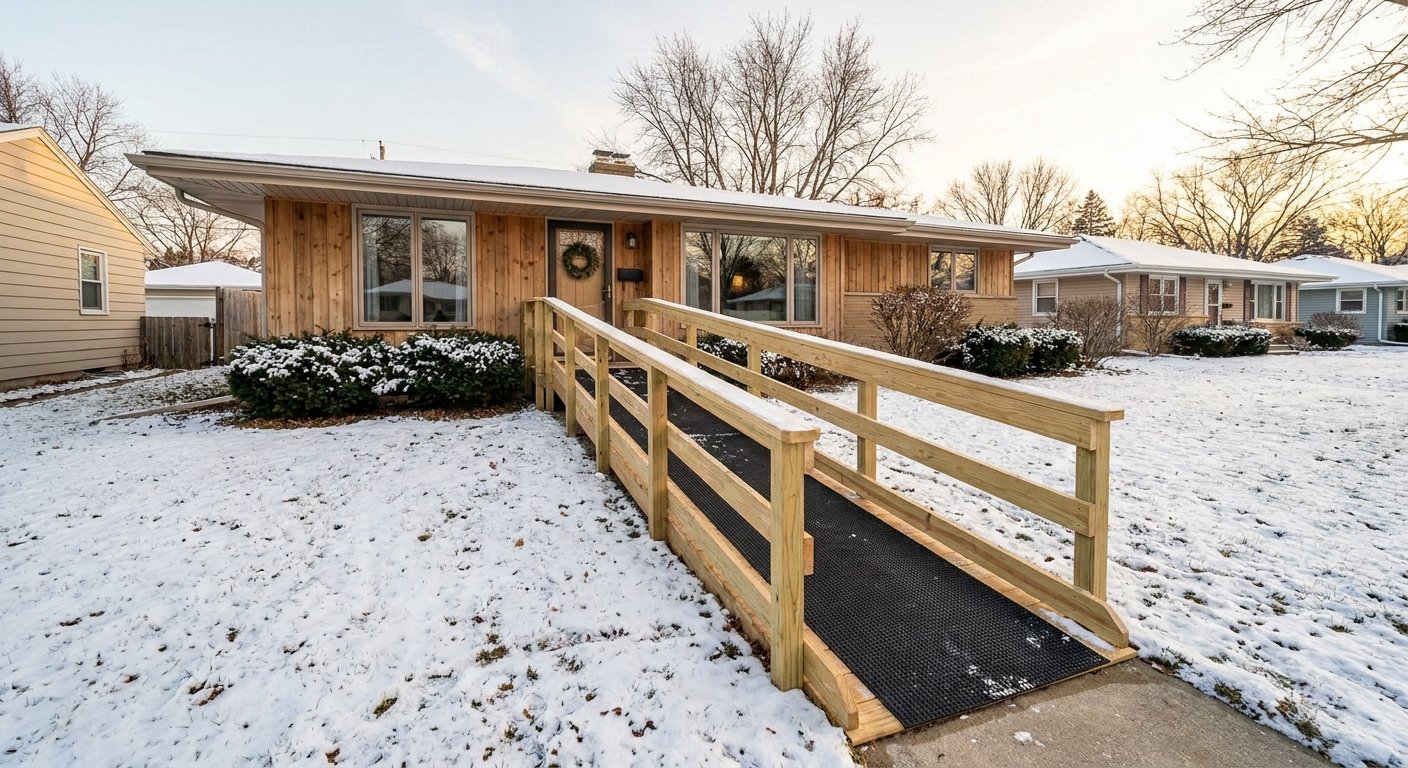
A Kimberly Home Assessment Built Around How You Actually Move
Licensed therapists and a licensed contractor working together so your family member can stay in the home they love — safely, independently, and on their own terms.
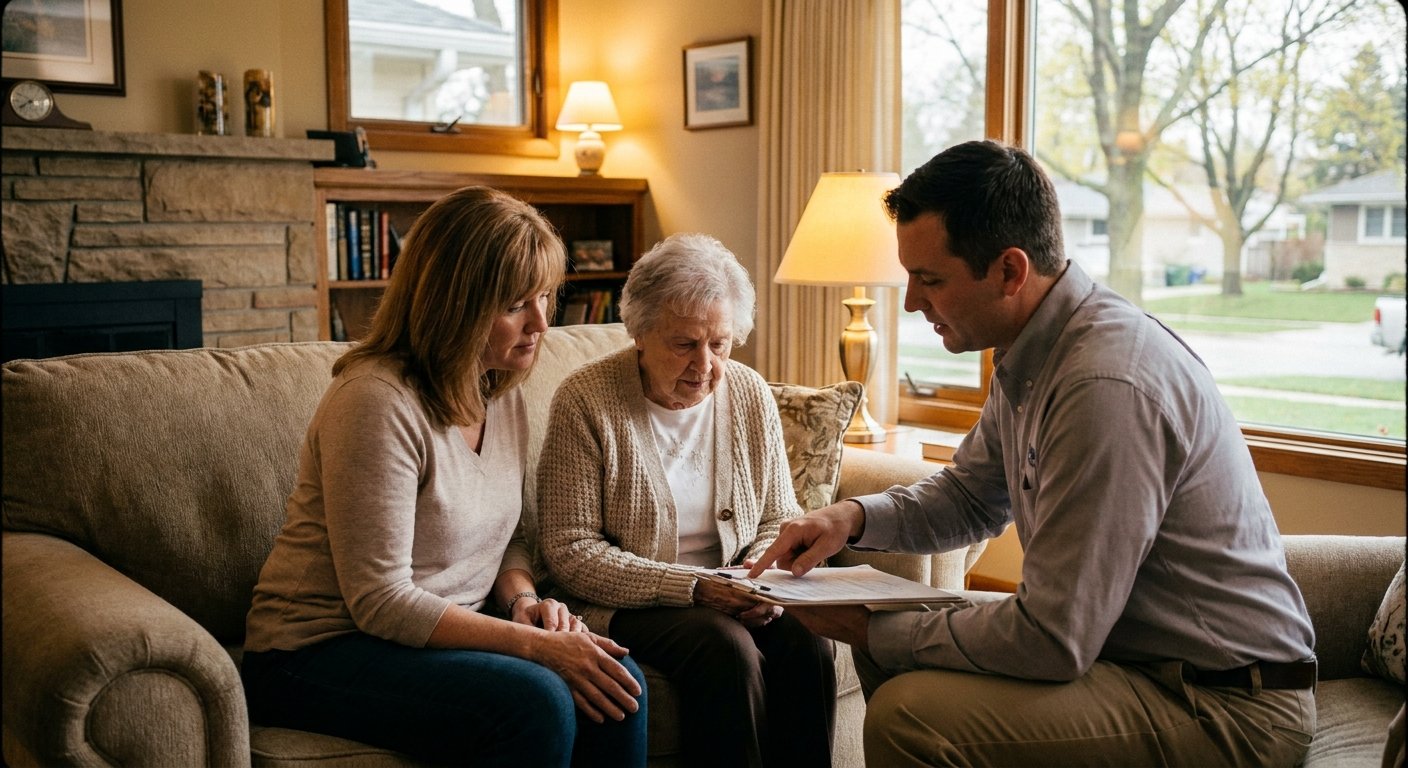
A home modification assessment in Kimberly, WI is a professional, room-by-room evaluation of your home’s layout, entryways, bathrooms, and living spaces — all with one goal: finding the fall risks and accessibility barriers before they find your loved one first. If your family lives in Papermill Estates or one of Kimberly’s other well-established neighborhoods, you already know what these homes look like — beautiful, full of memories, and built long before anyone thought much about aging in place. Narrow doorways, multi-level entries, bathtubs with high step-over thresholds, and staircases with minimal handrail support are common throughout Kimberly’s historic midwestern homes and mid-century builds. What’s charming at 45 can become genuinely dangerous at 75. And Wisconsin winters add another layer — icy walkways and slick front stoops turn a simple trip to the mailbox into a high-stakes event for anyone managing balance or mobility challenges.
The whole point of an assessment is to get ahead of injury. Kimberly’s seniors are active people. You see them at Sunset Park. You see them out walking along Treaty Park. They want to keep doing exactly that — and a proactive aging in place home evaluation is what makes continued independence possible rather than a gamble.
Dodd Home Safety provides assessments backed by a licensed occupational therapist and a licensed contractor, combining 13 years of clinical experience with hands-on construction expertise. That combination matters more than it might sound, and we’ll explain why below.
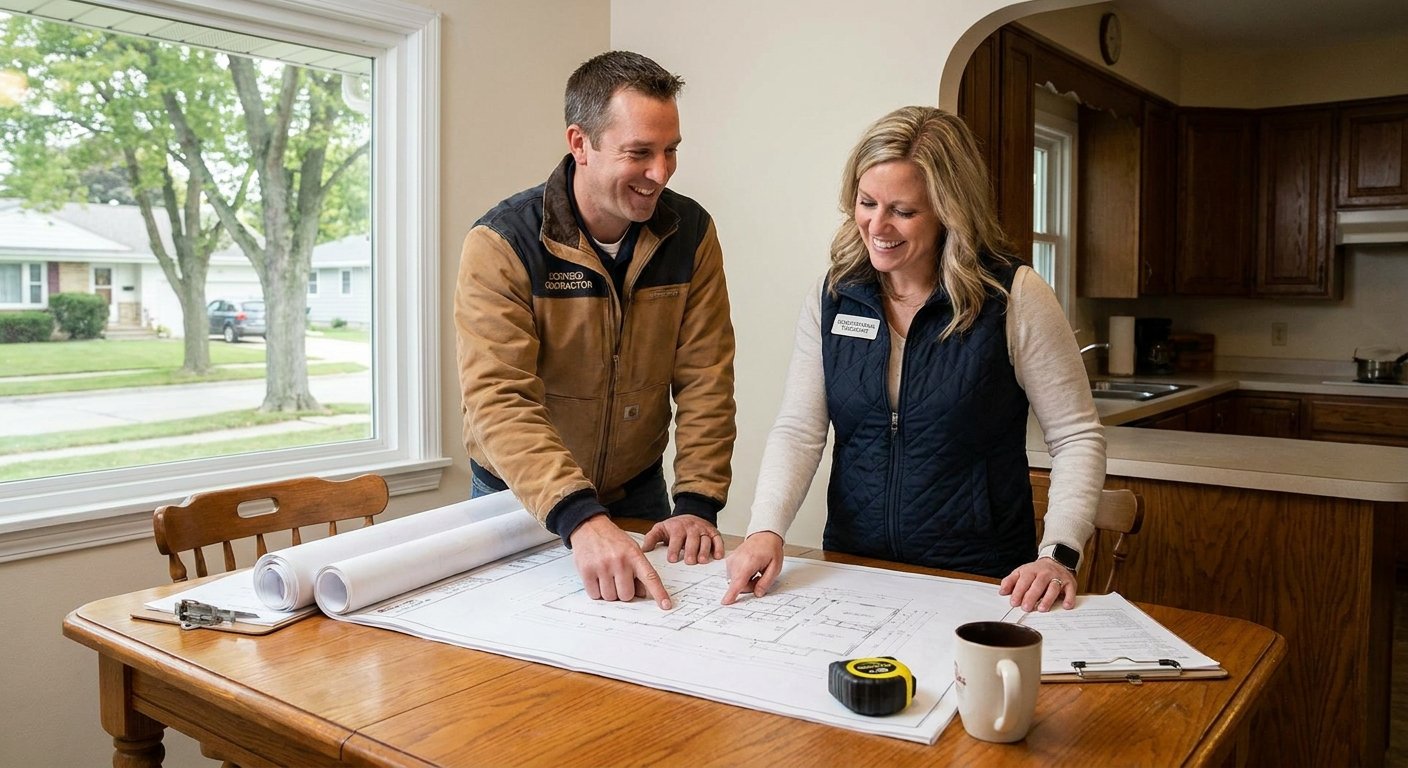
The Dodd Home Safety Difference — Licensed Therapists and a Licensed Contractor
There are general handymen, and there are contractors. There are occupational therapists who make home visits. But in the Fox Valley, there is exactly one company where both owners are nationally certified professionals — one a licensed therapist, one a Wisconsin Dwelling Contractor Qualifier license holder — working together under the same roof, on the same project, for the same client.
That distinction changes everything about how an assessment works. A contractor without clinical training can measure a doorway and widen it. But they can’t evaluate how your mother walks, how her balance shifts when she reaches overhead, or what her bathroom routine actually looks like at 6 a.m. when she’s tired and moving before her full faculties have warmed up. Those clinical observations are what an occupational therapy home assessment is built around — and they’re what separates a modification that looks good on paper from one that actually prevents a fall.
On the flip side, a therapist without contracting expertise can recommend a grab bar but may not fully understand load-bearing walls, stud placement, waterproofing requirements in shower surrounds, or what a code-compliant zero-step entry requires in Wisconsin’s freeze-thaw climate. Dodd Home Safety has both. Your assessment translates directly into accurate, code-compliant project planning with no gap between evaluation and execution.
That dual expertise matters especially for Kimberly families working through complex situations — a recent hospital discharge, recovery after a stroke, or a progressive condition like Parkinson’s or ALS that will keep changing a person’s mobility needs over time. Thirteen years of combined clinical and construction experience means we’ve worked with plans not just for today but for the road ahead.
Dodd Home Safety serves Kimberly, WI and the broader Fox Valley region as a trusted local mobility equipment supplier and aging-in-place contractor. This community is our backyard. Our solutions are built directly for the area’s mid-century housing stock and harsh Wisconsin winters—and we’re here for the long haul.
What Is Included in a Home Modification Assessment
When our team arrives at your home, we’re not walking through with a checklist and a quick handshake. We do a complete, room-by-room walkthrough covering every space a senior actually uses — entryways, hallways, bathrooms, bedrooms, kitchens, and staircases — documenting accessibility barriers and fall hazards as we go.
- Doorway width evaluation: We measure every doorway for wheelchair and walker clearance. This is a frequent finding in Papermill Estates and other older Kimberly neighborhoods built before ADA compliant remodeling standards existed. Many of these homes have 28- or 30-inch doorways — well short of the 32- to 36-inch clearance that makes a real difference for mobility equipment users.
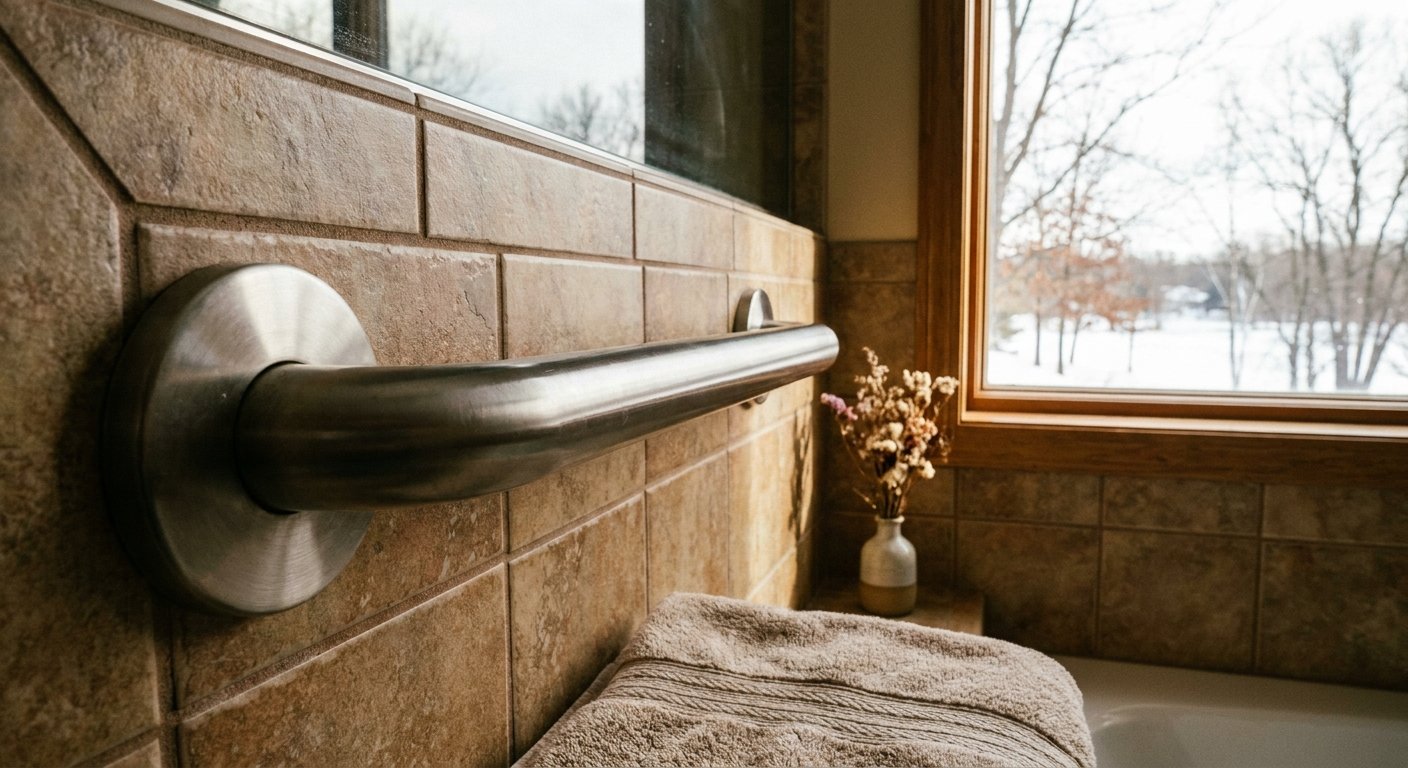
- Bathroom safety assessment: We evaluate grab bar placement, assess whether a roll-in shower is feasible, review toilet height and transfer safety, and note any flooring or lighting hazards. Bathrooms are where a disproportionate share of senior falls happen, and we treat them accordingly.
- Exterior access review: This is where Wisconsin-specific expertise matters. We look at every exterior entry point with a hard eye toward winter conditions — icy thresholds, uneven pavers, steps without adequate handrails, and doorways that aren’t weatherized for accessibility. Non-slip zero-step entries and weatherized accessible doorways aren’t optional in a Fox Valley winter; they’re the baseline.
- Kitchen and living space review: We assess reach ranges, lighting levels, flooring transitions, and furniture placement that may create tripping hazards or limit mobility through the home’s most-used spaces.
- Staircase hazard evaluation: We check riser height, tread depth, handrail presence and stability, and lighting — then discuss whether a stairlift, ramp, or reconfigured living arrangement makes the most sense for your family’s situation.
At the end of the assessment, you receive a written report with prioritized recommendations, estimated modifications, and guidance on mobility equipment and adaptive devices. You’re not left wondering what to do next. You have a clear, actionable plan.

Aging in Place Home Evaluation for Kimberly and Fox Valley Seniors
The math on aging in place is hard to argue with. The average cost of assisted living in Wisconsin runs well over $4,000 a month. A thoughtful set of home modifications — grab bars, a stairlift, a widened doorway or two, a remodeled bathroom — might represent a fraction of one year’s worth of assisted living costs, while preserving something no facility can replicate: your own home, your own neighborhood, your own life on your own schedule.
An aging in place home evaluation in Kimberly, WI is the starting point for that calculation. It tells you exactly what your home needs, in what order, and at what approximate cost — so your family can plan intelligently rather than reacting to a crisis.
Kimberly is growing and evolving. The Cedars development along the Fox River redevelopment area is bringing new residential living to a site with 120 years of local history. Residents there may have newer construction, but long-term accessibility planning still matters — wide hallways, zero-step entries, and accessible bathroom layouts that account for how mobility and vision change over decades of life in that home.
A century-old craftsman near downtown, a mid-century split-level in an established neighborhood, a newer residence along the Fox River corridor — the specific hazards differ, but the clinical approach doesn’t. A senior home safety assessment from Dodd Home Safety addresses both what’s dangerous right now and what the home will need to accommodate as mobility, vision, or cognitive function shifts over time.
Occupational therapy home assessment principles guide every evaluation we do. That means recommendations aren’t pulled from a generic accessibility catalog — they’re grounded in your loved one’s actual daily routines, actual functional abilities, and actual living patterns. The modification we recommend for one person might be completely different from what we recommend for their neighbor, even in the same style of home.
Common Home Modifications Recommended After an Assessment
Every assessment is different, but certain modifications come up again and again in Kimberly’s housing stock and climate. Here’s what our team most commonly recommends after completing a home modification assessment in the area:
- Widened doorways: Bringing doorways up to ADA compliant remodeling standards (typically 32 to 36 inches clear) is one of the most common structural modifications in Kimberly’s historic midwestern homes and mid-century builds. It’s what makes the difference between a home that works for a wheelchair user and one that doesn’t.
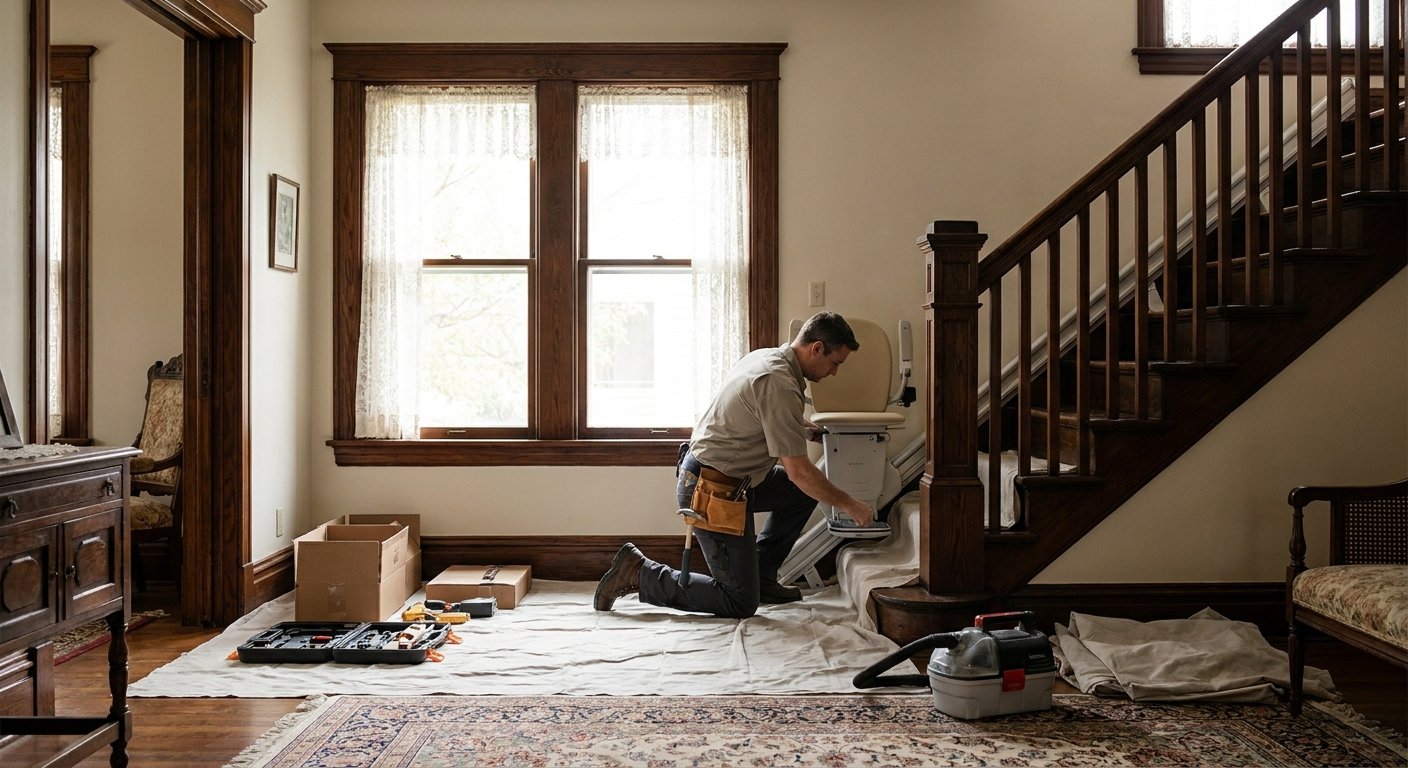
- Stairlift installation or ramp construction: For seniors who can no longer safely navigate stairs — or who need to reserve their energy for other daily activities — a professionally installed stairlift or threshold ramp eliminates one of the most significant fall risks in any multi-level home.
- Grab bars and handrails: These are among the most impactful handicap accessibility upgrades available, dollar for dollar. Strategically placed grab bars in bathrooms and hallways — installed into studs or with proper wall reinforcement by a licensed contractor — can prevent the falls that send seniors to emergency rooms and, too often, to long-term care facilities.
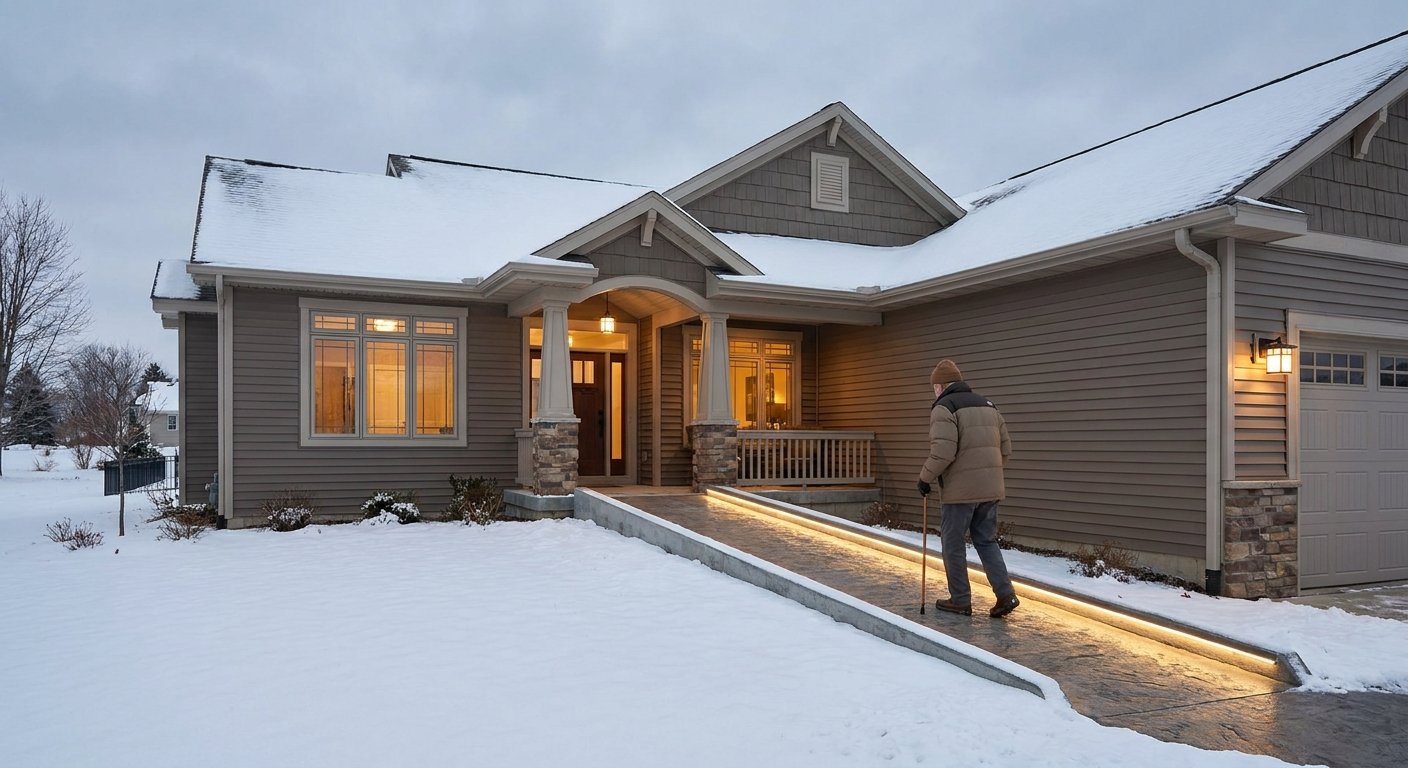
- Zero-step entryway modifications: Given Kimberly’s winters, non-slip, weather-resistant, zero-step entries are as much a cold-weather safety feature as an accessibility one. Ice-related falls at the front door are preventable with the right entry design, and we have the contracting expertise to build them right.
- Adaptive hardware and lighting: Lever-style door handles that don’t require grip strength, motion-sensor lighting that eliminates dark hallways at 3 a.m., and accessible kitchen modifications that reduce overhead reaching all support independence for seniors managing arthritis, low vision, or early cognitive changes. These smaller-scale upgrades often make a profound difference in daily quality of life.
Wisconsin Funding Programs to Help Cover Home Modifications
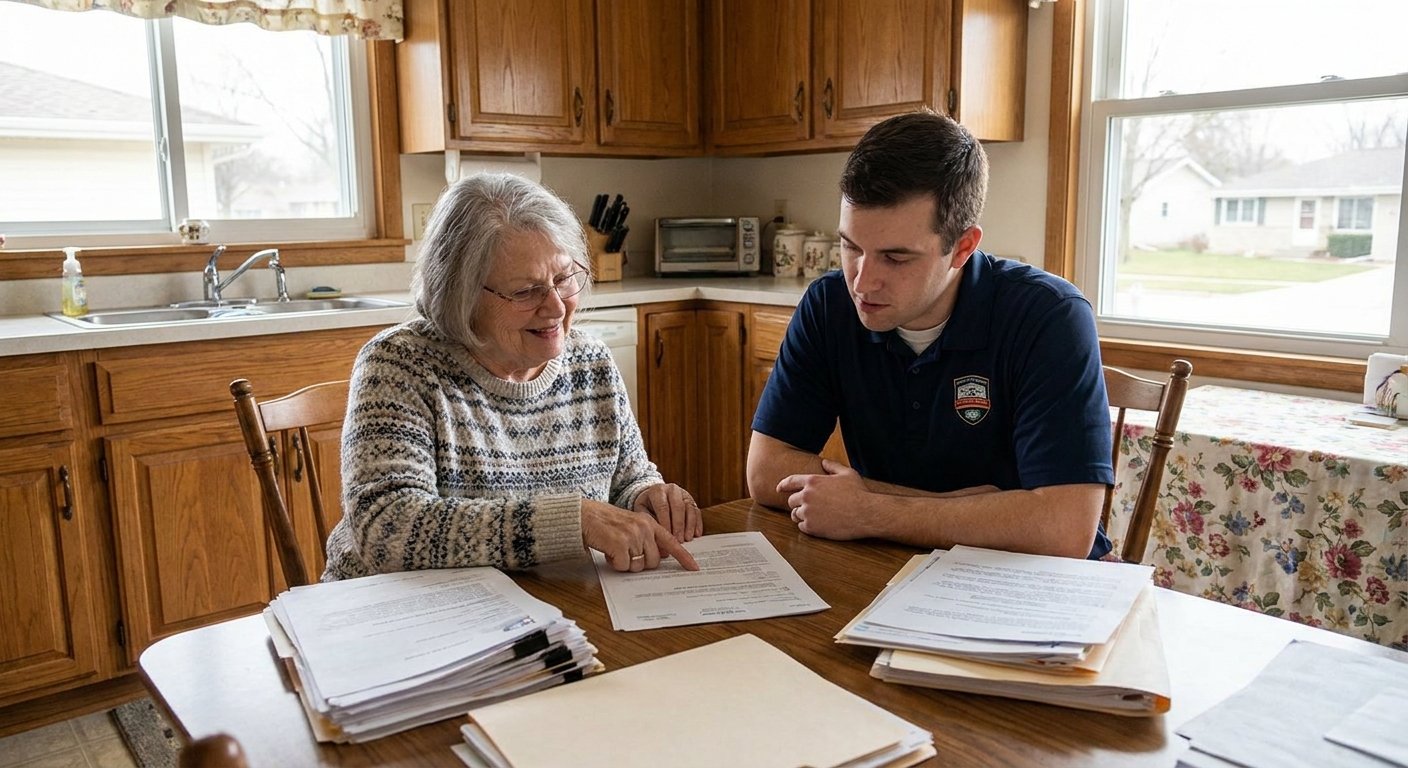
One of the most common things we hear from Kimberly families is some version of “we know Mom needs this, but we’re not sure how we’d pay for it.” That’s a fair concern — and one we’re genuinely equipped to help you work through. Our clinical background puts us in a position to support the documentation process that many funding programs require, and that’s not a small thing.
Wisconsin offers several financial resources that can offset — or in some cases fully cover — the cost of home modifications:
- IRIS (Include, Respect, I Self-Direct) Waiver: This Wisconsin Medicaid program is one of the most powerful tools available for eligible individuals with disabilities or aging-related needs. The IRIS Waiver can fund home modifications, mobility equipment, and adaptive devices for qualifying participants. Dodd Home Safety’s clinical expertise helps families document medical necessity accurately — a step that is often the deciding factor in whether an application is approved.
- WisLoan: Administered through the Wisconsin Department of Health Services, WisLoan is a low-interest loan program for Wisconsin residents who need to finance accessibility upgrades when grant funding is unavailable or insufficient. It’s a practical bridge option for Kimberly families who don’t qualify for Medicaid-based programs but still need help managing upfront costs.
- Local aging and disability resource centers: The Fox Valley area has local ADRCs (Aging and Disability Resource Centers) that may offer additional grant programs, case management support, or navigation assistance for seniors and their families. We encourage Kimberly residents to ask us about current local resources — these programs change, and knowing what’s available right now can make a significant difference.
The intersection of clinical documentation and funding access is one place where Dodd Home Safety’s unique model pays off directly for clients. We know what insurance reviewers, Medicaid case managers, and program administrators need to see — and we help you build that record from the very first assessment visit.
Frequently Asked Questions
Does Medicare cover home safety assessments for seniors in Kimberly, WI?
Medicare Part B may cover a home safety assessment when it’s ordered by a doctor and performed by a licensed occupational therapist as part of a home health care plan. To qualify, the senior must meet Medicare’s definition of “homebound” — meaning leaving home requires a considerable effort. Coverage is tied to a specific medical need, so a general wellness check without a qualifying diagnosis typically won’t be covered. Kimberly, WI residents should review their Medicare Summary Notice to understand what was billed and approved after any visit.
How much does an occupational therapy home assessment cost in Kimberly, WI?
The out-of-pocket cost varies based on whether insurance covers the visit and how complex the evaluation is. Without insurance, assessments commonly range from $150 to $500 or more depending on the thoroughness of the report and any follow-up recommendations. When Medicare or private insurance applies, the patient’s copay or coinsurance determines the actual cost. Checking with your insurance provider before the visit is the most reliable way to understand your specific financial responsibility.
What is included in a home accessibility evaluation?
A home accessibility evaluation looks at every area of the home where a person moves, rests, or completes daily tasks — entryways, bathrooms, kitchens, hallways, and staircases. The evaluator checks for fall hazards like loose rugs, poor lighting, and missing grab bars, and measures doorway widths and turning radiuses for wheelchair or walker use. A written report typically lists recommended modifications ranked by priority, such as installing ramp access, adding handrails, or relocating commonly used items to accessible heights. The goal is to match the home environment to the specific mobility and safety needs of the person living there.
Are home modifications covered by Wisconsin Medicaid or the IRIS program?
Wisconsin’s IRIS (Include, Respect, I Self-Direct) program is a self-directed Medicaid waiver that can fund certain home modifications for eligible adults with disabilities or older adults who need long-term care support. Covered modifications may include grab bar installation, ramp construction, widened doorways, and other changes that support safe, independent living at home. Eligibility is based on functional need, income, and assets, and participants work with a consultant to build a budget that reflects their individual plan. The Wisconsin Department of Health Services administers IRIS and provides detailed eligibility criteria on its official website.
What is the difference between a home safety assessment and a home modification?
A home safety assessment is an evaluation process where a trained professional identifies risks and recommends changes based on a person’s functional abilities and the layout of the home. A home modification is the physical change made to the home after that evaluation — adding a roll-in shower, installing a stair lift, widening a doorway. The assessment comes first and guides which modifications matter most for that specific person. In Kimberly, WI, assessments and modifications may be handled by the same provider or by separate specialists depending on the scope of work needed.
Who typically performs a home safety assessment?
Licensed occupational therapists are the most commonly recommended professionals for home safety assessments because they’re trained to evaluate how a person’s physical and cognitive abilities interact with their living environment. Physical therapists, certified aging-in-place specialists (CAPS), and some home health agencies also perform assessments depending on the focus of the evaluation. In Wisconsin, occupational therapists must hold an active state license through the Wisconsin Department of Safety and Professional Services. The credentials of the evaluator matter because they affect whether the assessment qualifies for insurance reimbursement.
At what age or health condition should someone in Kimberly, WI consider a home safety assessment?
A home safety assessment is often recommended after a fall, a new diagnosis such as Parkinson’s disease or a stroke, a recent hospitalization, or when a person notices increasing difficulty with daily tasks like bathing, climbing stairs, or moving through the home safely. Age alone isn’t the trigger, but adults over 65 are statistically at higher risk for falls — a leading cause of injury in older adults across Wisconsin. Caregivers and family members sometimes request an assessment when they notice a loved one struggling with mobility or balance at home. Early evaluation allows for smaller, less costly modifications before a serious injury makes more extensive changes necessary.
Can home safety modifications increase the resale value of a home in Kimberly, WI?
Certain accessibility modifications — zero-threshold showers, wider doorways, first-floor bedroom or bathroom additions — are increasingly valued by buyers in the aging-in-place and universal design market. In a community like Kimberly, WI, where a significant portion of residents are older adults, these features can appeal to buyers who want to stay in their home as they age. The financial return depends on the type of modification, the neighborhood, and current buyer demand. A local real estate professional familiar with the Fox Valley area can provide the most accurate estimate of how specific modifications affect property value.
Ready to Get Started?
Dodd Home Safety — serving Kimberly, WI. Call us today.
References & Local Research
- [1] AARP Public Policy Institute. (2021). *Home and community preferences survey: A national survey of adults ages 18-plus*. AARP Research. https://www.aarp.org/research/topics/community/info-2021/home-community-preferences.html
- [2] U.S. Department of Veterans Affairs. (2022). *Specially adapted housing and special home adaptation grants*. VA Benefits Administration. https://www.va.gov/housing-assistance/disability-housing-grants/