Smart Home Safety Integration in Kimberly, WI
A licensed therapist and contractor walk through your home together — finding what your floors, doorframes, and staircases are hiding before they cause a problem. Call (920) 585-8780.
When a 1950s Bungalow’s 28-Inch Doorframes Meet Modern Safety Technology
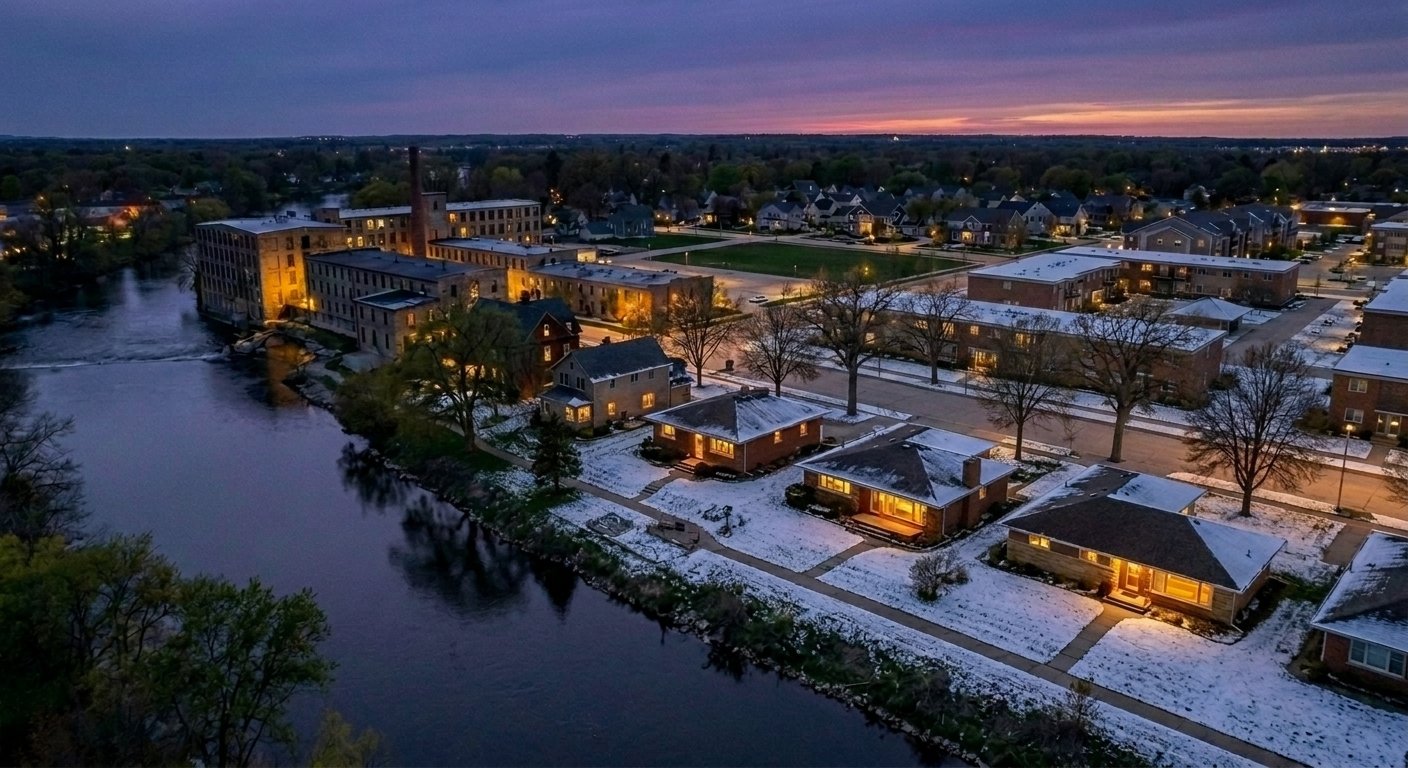
Walk through almost any home in Sunset Park or Papermill Estates and you’ll find the same thing we do: doorframes built for 1955, not for a walker or a wheelchair in 2024. Those 28-inch openings weren’t a mistake — they were standard for the postwar building boom that filled these Fox River neighborhoods with bungalows and Cape Cods. But they cause a real problem when a family wants to add smart sensors, automated door locks, or motion-detection lighting without ripping out a wall.
We don’t force bulky retrofits into spaces that can’t take them. Our approach places sensors and controls where they actually work with the clearance you’ve got — not where a generic install guide says they should go. That distinction matters more in Kimberly than almost anywhere else we work.
Steep, unlit basement stairs are the other signature of these postwar Cape Cods, especially in the blocks near Roosevelt Park. A lot of families have learned to live around that stairway, flipping a light switch at the top and hoping for the best. Motion-activated lighting solves that risk without touching the structure — no rebuild, no code headache, just light exactly when and where it’s needed.
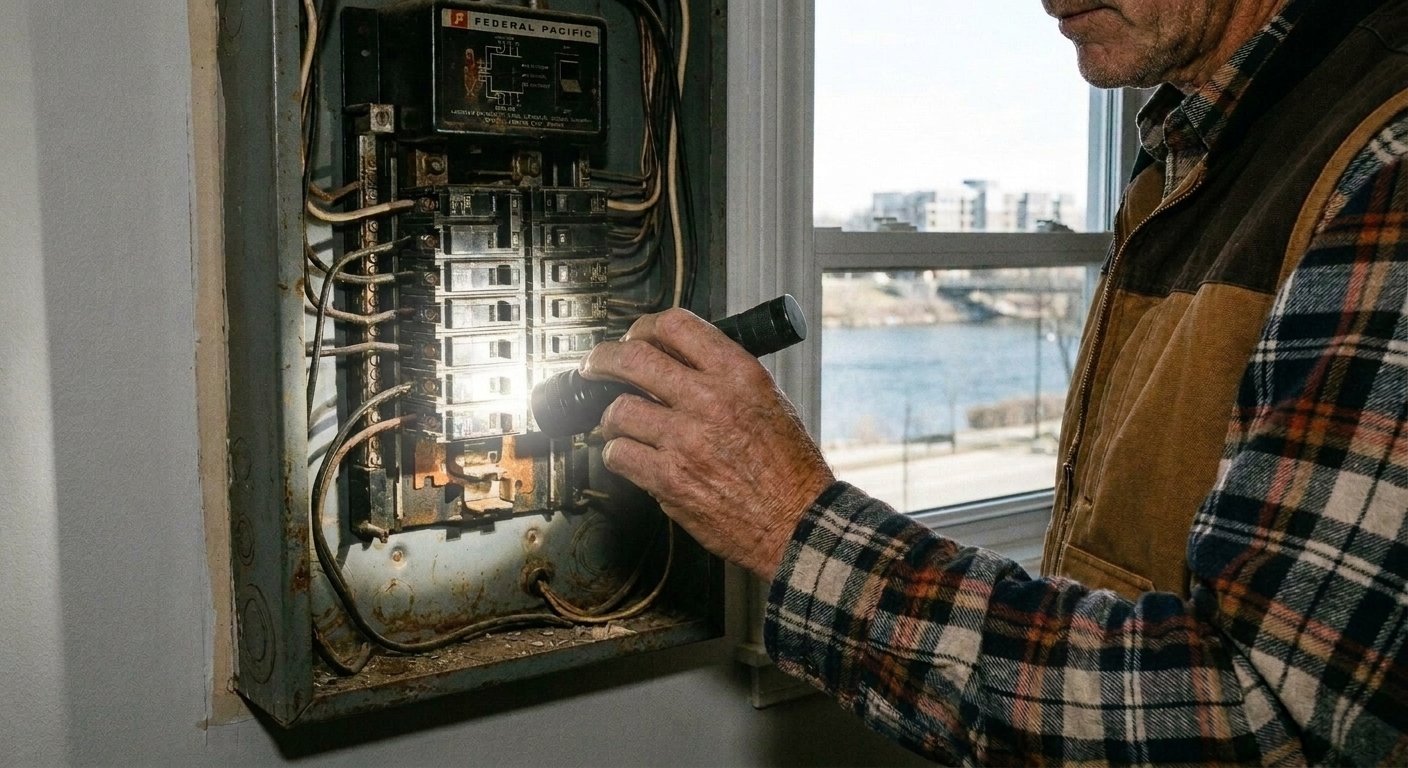
Then there’s the wiring. Homes in the Cedars redevelopment area, built up around the old 120-year-old Kimberly-Clark mill site, often still carry electrical panels that were never meant to run modern smart devices. Before we install anything, our licensed contractor evaluates the panel, the wiring runs, and the structural quirks specific to that pocket of town. That step gets skipped by a lot of smart-home installers who’ve never worked in a house this old — and it’s exactly why we don’t skip it.
Why Wisconsin Winters Make Automated Safety Systems Non-Negotiable for Seniors
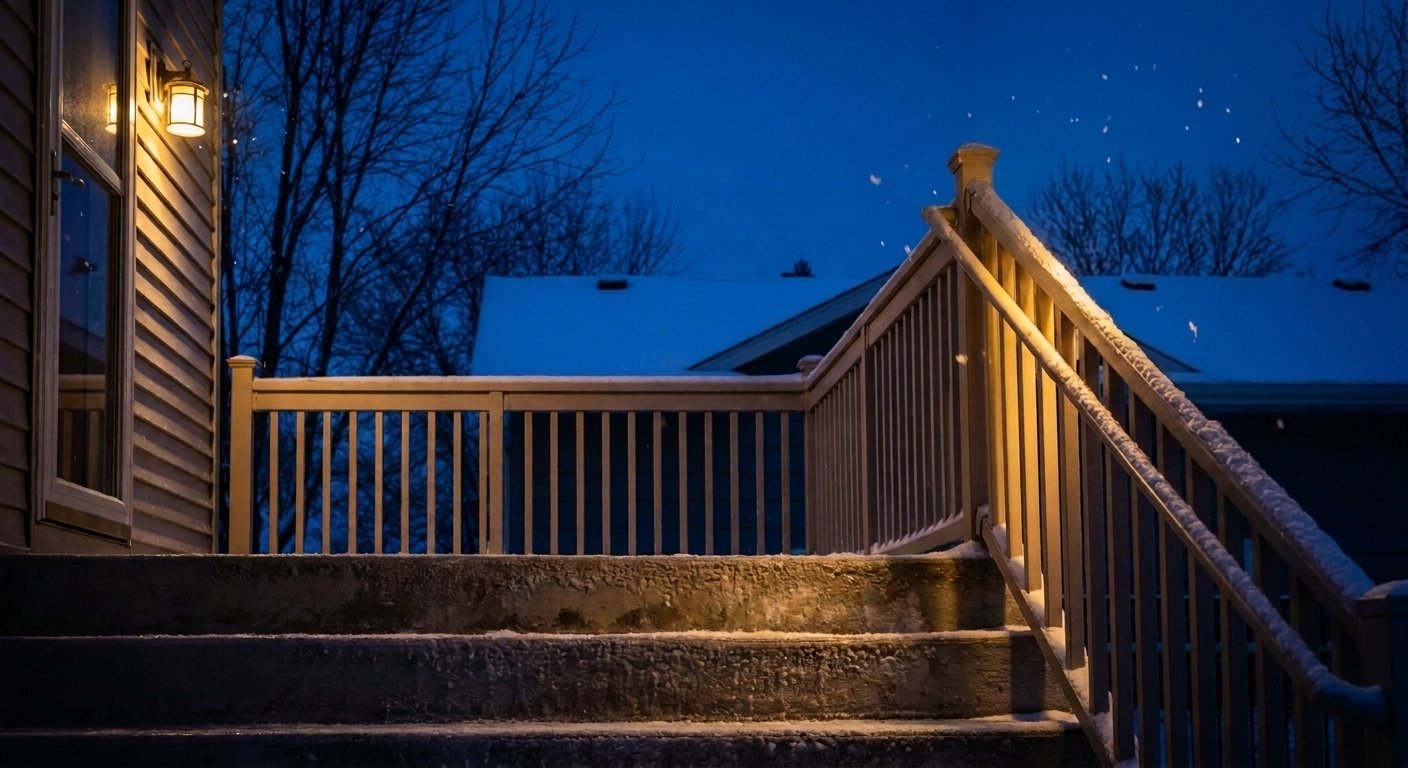
From November through March, a wet floor tracked in from Sunset Park or a frost-slicked threshold at the back door becomes the kind of thing nobody plans for. Around Memorial Park, where a lot of longtime residents still walk to church or to visit neighbors, dark early mornings and icy sidewalks turn an ordinary errand into a real fall risk.
Automated outdoor lighting, triggered by motion or set on a winter timer, lights the steps and driveway before anyone opens the door. That single change — light before you step outside instead of after — is one of the simplest and most effective pieces of aging in place technology in Kimberly, WI’s housing stock.
Smart thermostats do quieter work but it matters just as much. Sudden temperature swings between an overheated living room and a drafty hallway can affect circulation and throw off balance in older adults, especially those managing arthritis or neuropathy. A properly programmed thermostat keeps the whole house within a steadier range, which is something a space heater and a thick sweater can’t fix on their own.
We also install weatherproof sensors and cameras at entryways so family members — whether they’re across town or across the country — can check on a parent’s front step during an ice storm without a phone call at 6 a.m.
What Sets Dodd Home Safety Apart in Kimberly, WI
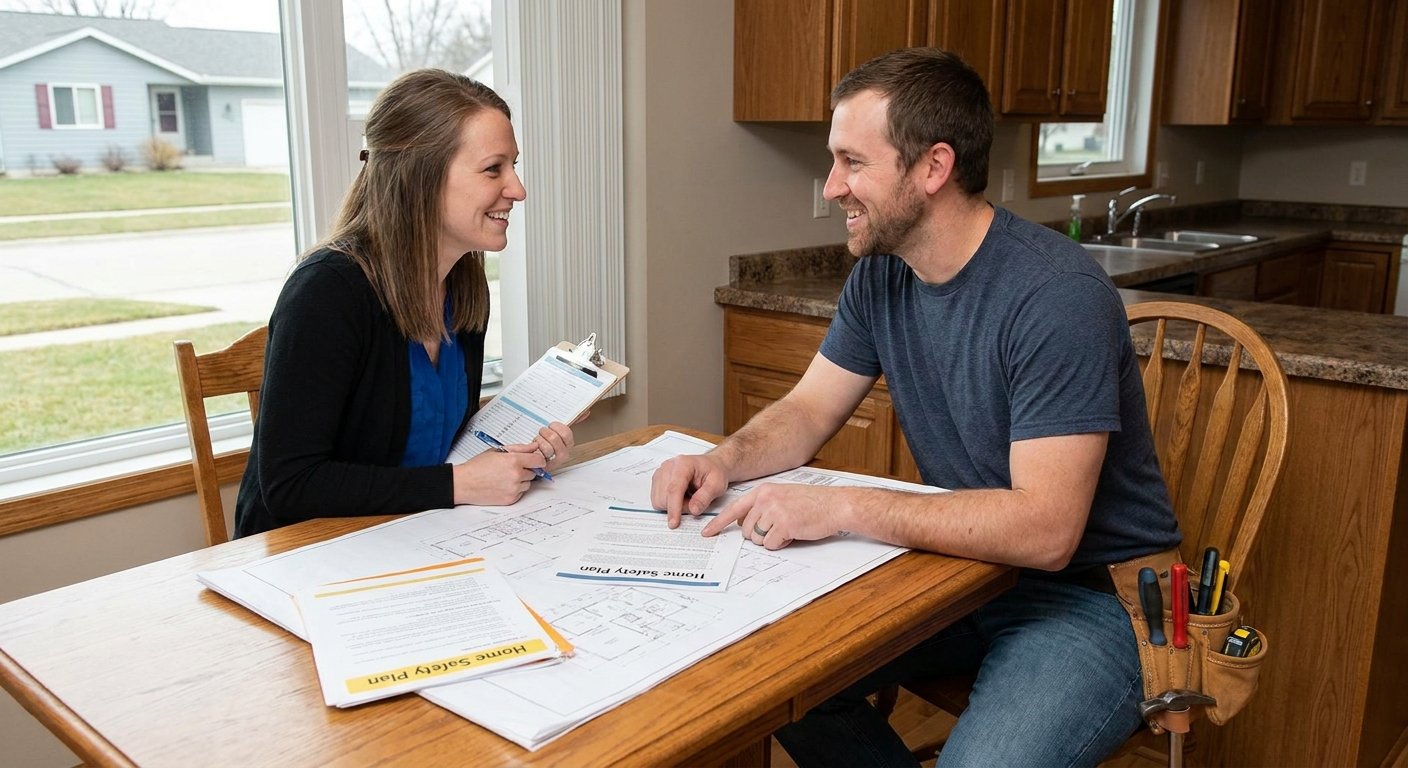
Anyone can sell you a smart thermostat. What we bring is 13 years of clinical experience looking at how real people fall, stumble, and lose confidence in their own homes. Both owners of Dodd Home Safety are nationally certified occupational therapists — this isn’t a side credential, it’s the foundation of how we evaluate every house we walk into.
One of our owners also holds a Wisconsin Dwelling Contractor Qualifier license, which means the structural and electrical work behind every smart home installation meets local code — not a national franchise’s shortcut version of code. That license matters in a town like Kimberly, where so much of the housing stock predates modern electrical standards by decades.
We combine those two skill sets on purpose. A clinical home assessment tells us where a specific senior is at genuine risk — a weak grip, a slower gait, early-stage cognitive changes. The contractor’s eye tells us what the house can physically support. Put those together and you get a smart home plan built around a real person’s needs, not a sales quota.
Our Smart Home Safety Integration Process for Kimberly Homes
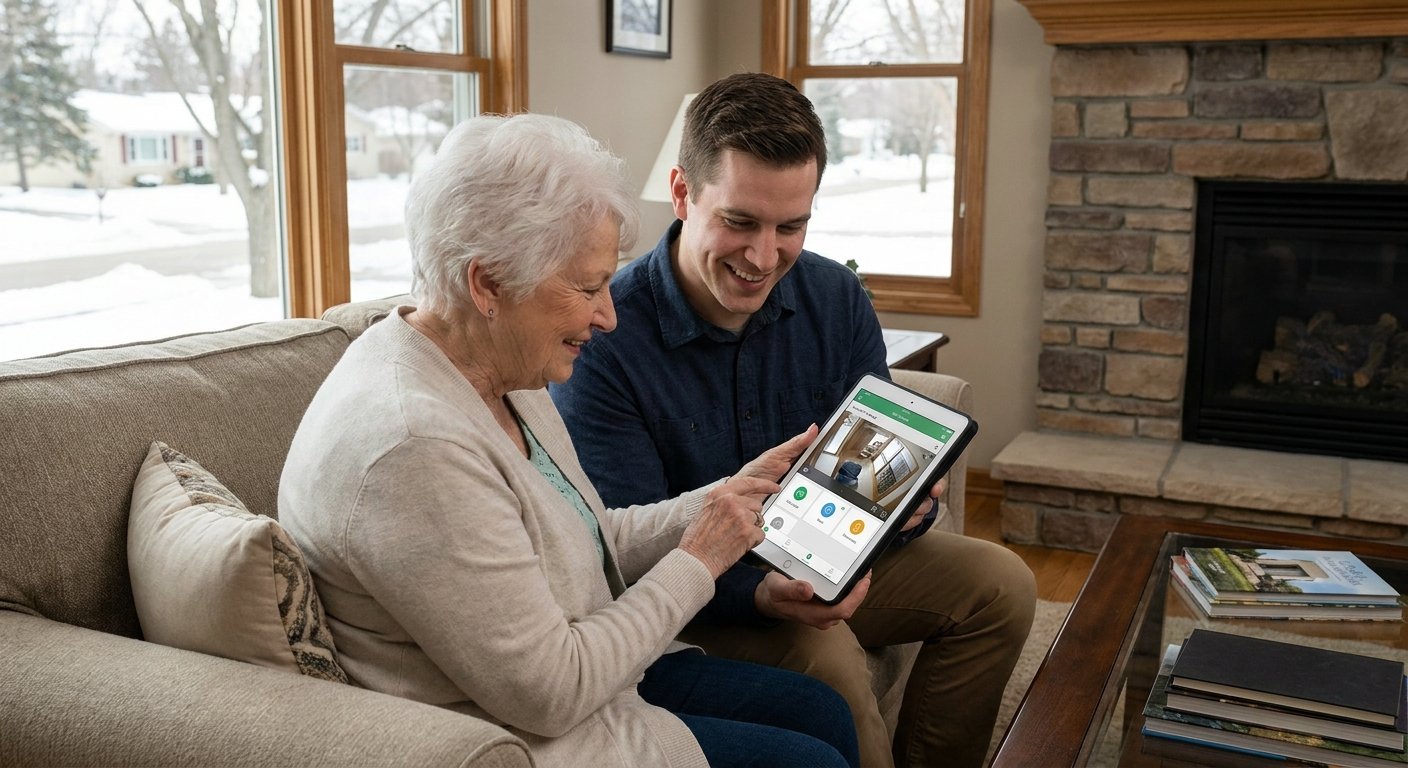
Every project starts the same way — with an in-home occupational therapy assessment, not a product catalog. We look at how someone actually moves through their kitchen, bathroom, and stairwell, and we pinpoint the specific mobility or cognitive risk factors that matter most for that individual.
From there we build a custom smart home plan covering lighting automation, thermostat control, door and window sensors, and emergency alert systems — sized to the house and the person, not a generic package.
Our licensed contractor handles installation, which is where a lot of older Kimberly homes need real attention. Compatibility with original wiring in a Roosevelt Park bungalow or a Papermill Estates Cape Cod isn’t guesswork for us — it’s the part of the job we’re licensed for.
Once the system’s in, we train family members and caregivers on the monitoring apps and emergency response steps, so nobody’s left guessing what an alert means at 2 a.m. And because needs change, we come back for follow-up visits to adjust settings as mobility shifts over time.
Aging in Place Technology Built for Kimberly, WI’s Older Neighborhoods
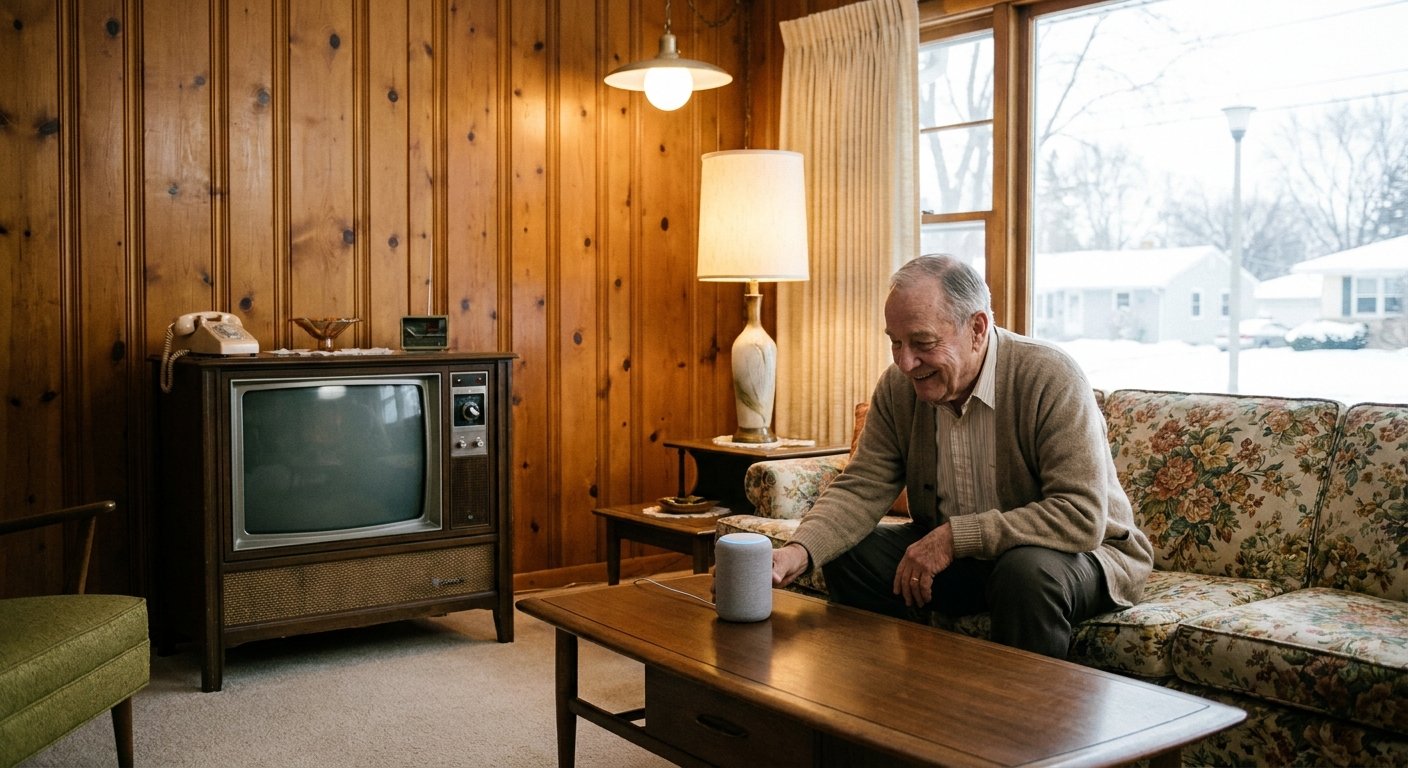
Homes around Roosevelt Park and Memorial Park still carry their original 1950s layouts — narrow hallways, compact bathrooms, single-pane windows. Our smart home installations get shaped around those layouts instead of pretending the house is something it’s not.
Voice-activated controls for lights, locks, and thermostats cut down on the physical strain of reaching switches or turning stiff deadbolts, which matters more than people expect once arthritis or reduced grip strength enters the picture.
Fall-detection sensors and wearable alerts work alongside the rest of the home automation system, so a fall in the basement or the backyard doesn’t go unnoticed for hours. Video doorbells and smart locks let a senior see and speak to whoever’s at the door — or let a caregiver access it remotely — without anyone needing to rush across the house to answer a knock.
Mobility Equipment Supplier Services Paired With Smart Technology
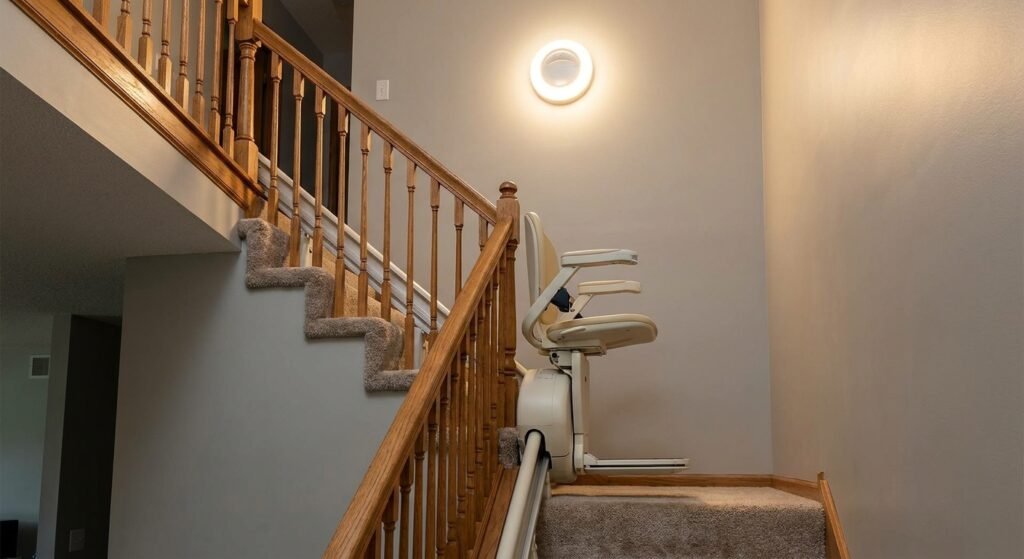
Smart technology handles a lot, but it isn’t the whole answer. As a mobility equipment supplier in Kimberly, WI, we supply and pair physical equipment right alongside the automated systems for a layered approach to safety.
Grab bars, stairlifts, and ramps get paired with automated lighting and sensors so the two systems reinforce each other — a stairlift with a motion light at the top of the stairs, a grab bar positioned exactly where a therapist watched someone actually reach for support, not where a diagram says to install it.
Every equipment recommendation comes out of an occupational therapy assessment, never a generic catalog suggestion. And because mobility needs shift, we handle ongoing equipment maintenance and technology updates so the system keeps pace with the person using it.
Frequently Asked Questions
How can smart home technology help seniors age in place safely in Kimberly, WI?
Smart home technology lets seniors stay independent in their Kimberly homes while cutting down on common safety risks. Devices like automated lighting, fall-detection sensors, and medication reminders can alert family members or caregivers if something seems off. Voice-activated assistants also make it easier for seniors with limited mobility to control their environment without moving around unnecessarily. These systems work best when they’re built around the specific layout and needs of the home.
Who installs smart home safety devices for seniors near Kimberly, WI?
Local home safety specialists in the Fox Cities area, Kimberly included, install and configure smart safety devices designed for aging adults. That typically includes fall sensors, smart lighting, video doorbells, and emergency alert systems. Installers assess each home’s layout, staircases, bathrooms, and entryways to figure out where technology will do the most good. Plenty of Kimberly homes built decades back need extra wiring or Wi-Fi extension work before these systems run properly.
What is the best home automation system for elderly care?
The best system depends on a senior’s specific mobility level, cognitive needs, and existing home structure. Common combinations include motion-sensor lighting, medical alert pendants, smart thermostats, and door sensors that track unusual activity patterns. For homes in Kimberly with older electrical systems, compatibility testing is often needed before installation. A system that pulls multiple devices into one dashboard tends to be easier for family caregivers to keep an eye on.
Are home safety modifications covered by Medicare or VA benefits?
Original Medicare typically doesn’t cover home safety modifications like grab bars, ramps, or smart monitoring devices, though some Medicare Advantage plans offer limited allowances. VA benefits, including the Home Improvements and Structural Alterations (HISA) grant, may cover certain modifications for eligible veterans. Wisconsin residents can also check with local aging and disability resource centers for state-funded assistance programs. Coverage varies by plan and individual health circumstances, so documentation from a physician is often required.
What areas of a home are most important to modify for senior safety?
Bathrooms, staircases, and entryways are typically the highest-risk areas in a home for falls among seniors. Grab bars, non-slip flooring, and better lighting in these zones cut injury risk significantly. Kimberly homes with split-level designs or narrow stairwells often need custom railing or lift solutions. Kitchens get modified too, usually with lowered countertops or easier-to-reach storage.
How long does it take to install home safety modifications?
Simple modifications like grab bars or smart sensors can often go in within a single day. Larger projects, like walk-in shower conversions or stairlift installations, may take one to three days depending on the scope of work. Homes in Kimberly with older plumbing or electrical systems sometimes need extra prep time. A full home safety assessment usually happens before any installation timeline gets set.
What warning signs suggest a home needs safety modifications?
Frequent tripping, trouble rising from chairs, or unsteady movement on stairs are common signs a home may need safety updates. Bathrooms without grab bars or non-slip surfaces present especially high fall risks for older adults. Poor lighting in hallways and entryways is another frequent cause of nighttime falls. A professional home safety evaluation can spot specific hazards that aren’t always obvious to the people living in the space every day.
Ready to Get Started?
Dodd Home Safety — serving Kimberly, WI. Call us today.
References & Local Research
- [1] Centers for Disease Control and Prevention. (2023). *Falls are the leading cause of injury for older adults*. STEADI Program. https://www.cdc.gov/steadi
- [2] AARP Public Policy Institute. (2021). *Home and community preferences survey: A national survey of adults ages 18-plus*. AARP Research. https://www.aarp.org/research/topics/community/info-2021/home-community-preferences.html