
Dementia Wandering Prevention Setup in Kimberly, WI
Keep your loved one safe at home in Kimberly with a custom Dementia Wandering Prevention Setup from neighbors who care. Call (920) 585-8780
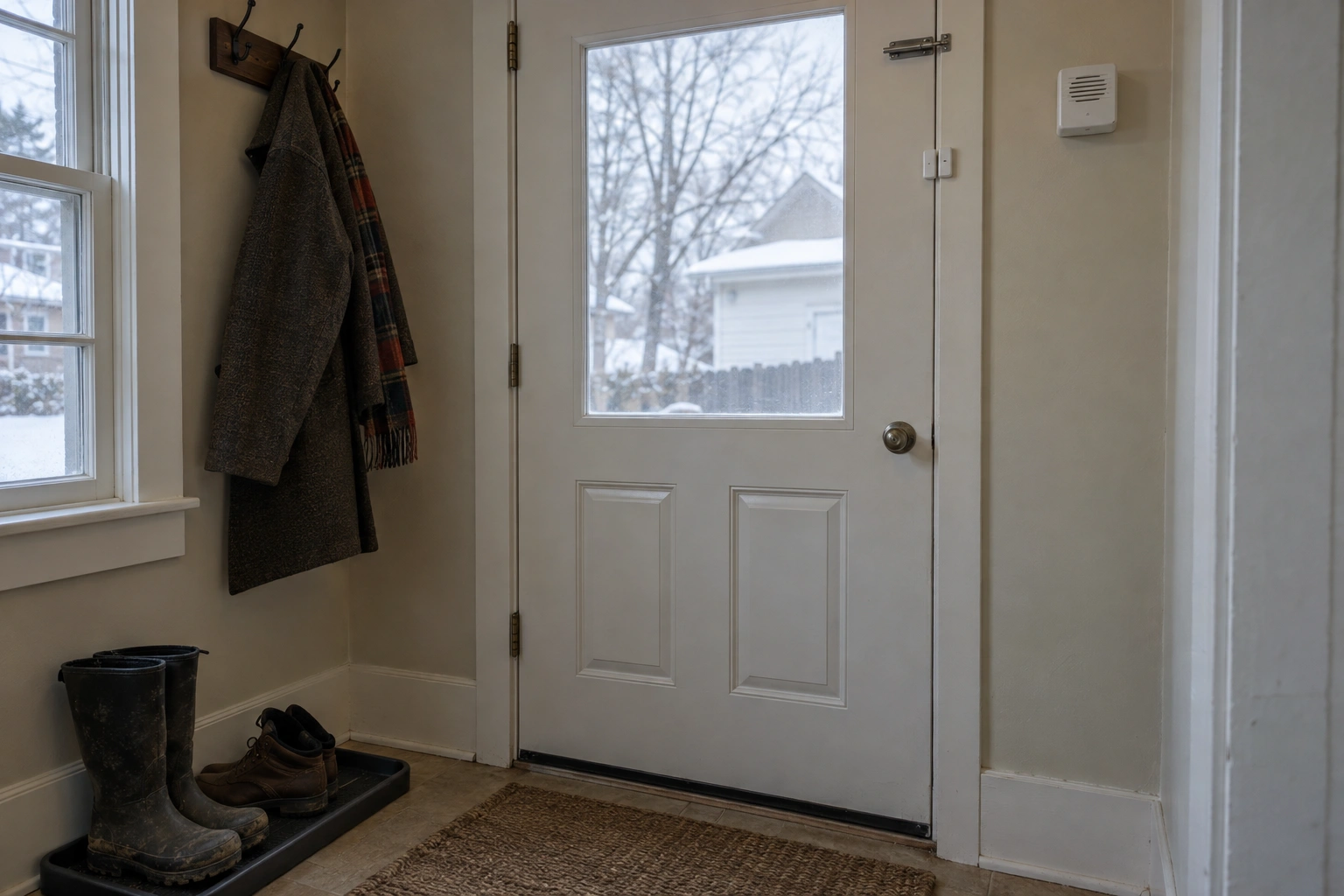
When a parent with dementia walks out the door at 2 a.m., a Kimberly winter won’t wait, so dementia wandering prevention setup has to start at home. Bill and Jaci Dodd of Dodd Home Safety come to your house and watch how your loved one moves and where they head. Then we install the alarms, latches and gates that fit your exits, stairs, hallways and yard. We travel to homes across Kimberly and the neighboring Fox Cities towns. Give us a call at (920) 585-8780 and we’ll talk through what you’re seeing.
Exit Rules and Older Homes in Kimberly
A lock that traps your loved one inside can trap everyone inside during a fire. Fire and egress safety standards call for primary exit doors that open without a key in an emergency. That makes a double-keyed deadbolt a poor choice. Audible door alarms, smart alerts, high and low latches and visual door camouflage keep the exit usable. They also make a quiet walk out the door much harder. We pick from those options at Dodd Home Safety after we see your doors in person.
Kimberly’s 1950s bungalows, ranches and Cape Cods put bedrooms close to the front and back doors. Basement stairs run steep, and attached garages open straight to the yard. Freeze-thaw winters make a short walk outside risky, because ice hides on steps and walks. Falls are the leading cause of injury for older adults[1]. Many adults also say they want to stay in their own homes as they age[2].
Here’s where we set up protection in the home:
- Front, back and garage entry doors get door alarms, smart alerts and latches placed out of the usual line of sight.
- Bedrooms and overnight hallways get bed-exit alerts and soft lighting, so you hear when someone is up.
- Basement stairways and multi-level landings get a sturdy gate and a handrail that runs the full length.
- Bathrooms and night-time toileting routes get a lit path, non-slip footing and a rail within reach.
- Backyards, patios and perimeter gates get self-closing hinges and latches set above easy reach.
Wandering prevention is one part of the gear we install around Kimberly. To see how gates, rails and sensors work together, browse our safety equipment for Kimberly homes.
What to Expect From Our Process
No two people wander the same way. Some head for the front door, and others go for the garage or the basement. Often the biggest help is a custom-built gate at the top of the stairs. Door sensors and smart alerts tell you when an exit opens. Night-path lighting makes the way to the bathroom clear.
- We start with a conversation about what you’ve seen: which doors, what time of day, and how your loved one moves.
- Bill and Jaci walk the home with you, looking at exits, stairs, bedrooms, bathrooms and the yard.
- You get a plan before a single screw is turned, built for your house and not picked from a catalog.
- Bill and our installation crew install the gates, latches, sensors and lighting.
- We test every alarm and latch with you and show you how each one works.
Some families need more than wandering protection as a diagnosis changes. Our look at disability equipment for Kimberly homes shows what else may fit.
Wisconsin winters are hard on anyone outside at night, and a person without a coat can be in trouble fast. That’s why the yard needs a plan too. A self-closing gate hinge and a latch placed high on the gate keep a patio or backyard contained. A small gate alarm tells you the moment someone steps out.

Why Choose Dodd Home Safety
Letting someone into your home to talk about a parent’s memory loss isn’t easy. Bill and Jaci are partners who run Dodd Home Safety. They look at how your loved one moves and where they head. Then we build to fit the house. Safety doesn’t have to look medical, so we choose hardware that blends into your home.
- Bill holds an Occupational Therapy Assistant license and a Wisconsin Dwelling Contractor Qualifier credential.
- Jaci holds a Physical Therapist Assistant credential and does mobility and transfer evaluations.
- Bill does home safety evaluations and the building, working with our installation crew.
- Every plan is chosen for your specific home, not copied from a stock list.
- We keep exits usable in an emergency while making them harder to leave unnoticed.
If you’d like to start with the evaluation alone, read about our home and mobility evaluations in Kimberly. It explains what Bill and Jaci look at before any work begins.
Frequently Asked Questions
Can’t I just put a key deadbolt on the door?
A double-keyed deadbolt can trap everyone inside during a fire. Fire and egress standards (the rules for getting out of a building safely) favor exits that open without a key. Door sensors, phone alerts, high or low latches and camouflaged doors are safer choices because they slow a wanderer down and alert you right away.
Which rooms do you look at besides the doors?
We look at bedrooms, overnight hallways, basement stairs, bathroom routes and the yard. Wandering often starts at night, so the path from bed to bathroom matters as much as the front door. The on-site evaluation settles what fits your home.
Is there help paying for this in Outagamie County?
Start with the Outagamie County Aging and Disability Resource Center (ADRC). Wisconsin Family Care and IRIS waiver programs have their own rules for what they cover. Veterans can ask the Outagamie County Veterans Service Office about home safety funding.
Will the home end up looking like a hospital?
No. Safety doesn’t have to look medical. We build gates in wood to match your trim, and the sensors are small. Doors can be painted to blend into the wall, so the house still feels like home.
How do you stop a dementia patient from wandering out of the house at night?
Start with the exits. Entry chimes, phone alerts and latches placed out of the usual line of sight tell you when someone is up and make a quiet exit harder. Bed-exit alerts and soft night lighting help you hear movement early. A gate at the top of basement stairs adds protection where falls are most likely.
How do you secure a home against dementia wandering?
We look at where your loved one walks and which doors they head for. Then we match alarms, latches, gates and lighting to your home’s exits, stairs, hallways and yard. In the yard, a self-closing hinge and a latch mounted up high keep the patio or backyard secure.
Are double-cylinder deadbolts safe for dementia wandering prevention at home?
They aren’t a safe choice for a primary exit. A double-cylinder deadbolt needs a key on both sides, so a fire can trap people inside. Alarms, latches and door camouflage keep the exit usable in an emergency while making it harder to leave unnoticed.
Ready to Get Started?
Dodd Home Safety — serving Kimberly, WI. Call us today.
References & Local Research
- [1] Centers for Disease Control and Prevention. (2023). Falls are the leading cause of injury for older adults. STEADI Program. https://www.cdc.gov/steadi
- [2] AARP Public Policy Institute. (2021). Home and community preferences survey: A national survey of adults ages 18-plus. AARP Research. https://www.aarp.org/research/topics/community/info-2021/home-community-preferences.html