
Lever Door Handle Installation in Kimberly, WI
Open every door pain-free in Kimberly with pro lever door handle installation for arthritic hands and mobility aids. Call today: (920) 585-8780 Homeowners who also need a safe way in and out of the house often pair this work with Wheelchair Ramp Installation in Kimberly, WI, which covers professional wheelchair ramp installation for entryways of every size.
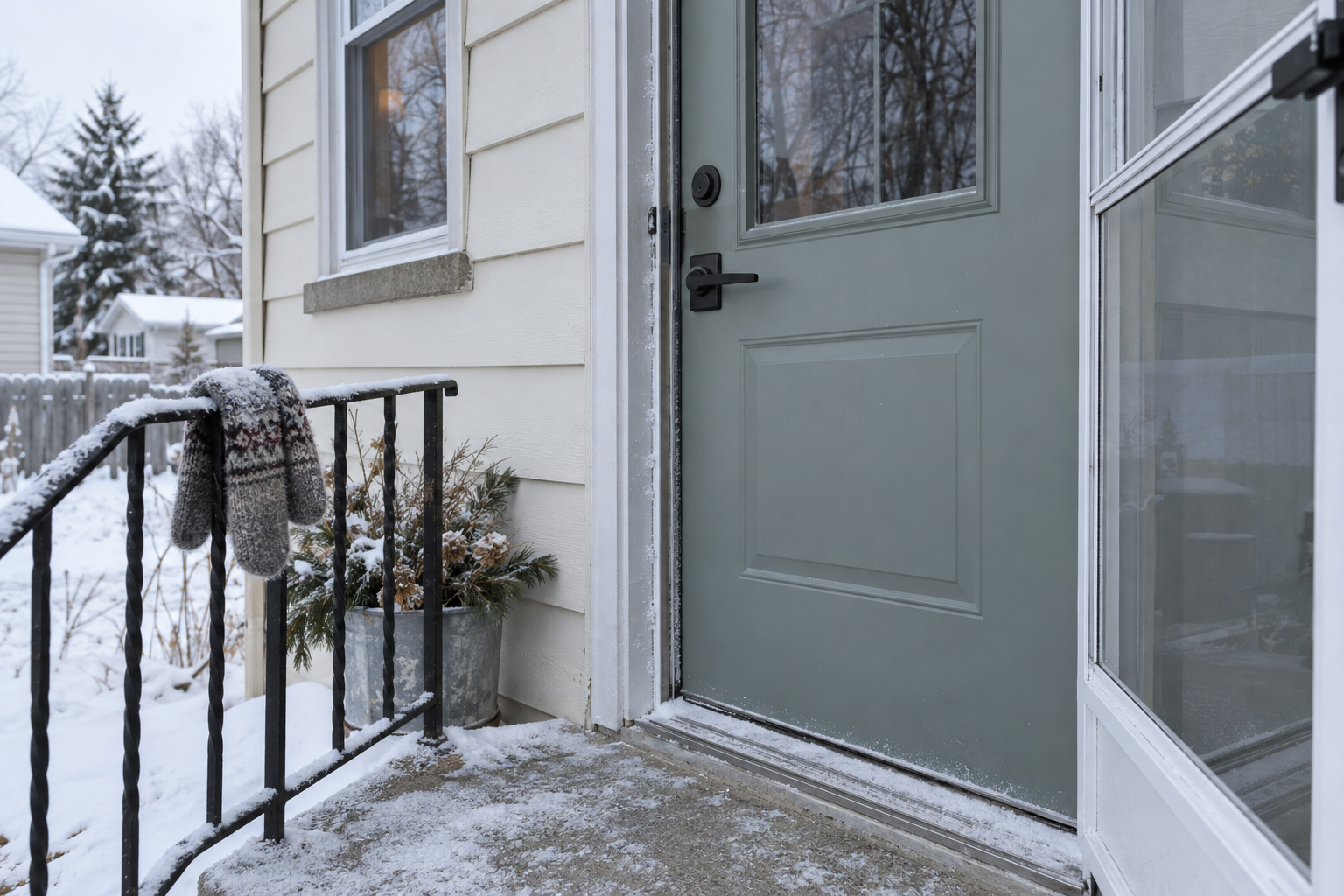
Round doorknobs get harder to turn when hands ache, and Wisconsin winters make it worse. Stiff fingers, bulky gloves and a damp grip can turn one door into a daily fight. Dodd Home Safety replaces those knobs with lever handles that open with a push of the palm, wrist or forearm. We come to your Kimberly home, check each door, and fit the handle to how you move. Give us a call at (920) 585-8780 and we’ll take a look.
How Kimberly’s Seasons Change the Way Doors Work
Doors here work hard through four very different seasons. Winter hits hands first. Cold stiffens joints, gloves add bulk, and a frosty round knob slips out of a weak grip. Falls are the leading cause of injury for older adults[1], and a door that fights back at the back step adds to the risk.
Summer humidity then swells wood doors, and spring thaw shifts old frames. Many 1950s mill-worker bungalows in Kimberly have settled over the decades. Latches rub, strike plates drift out of line, and the knob needs a hard twist and a hard pull. A new handle on a crooked door only moves the problem.
So we check the door first and the hardware second. If a raised sill at the back door is the bigger problem, our work on threshold ramps for raised door sills goes hand in hand with a new handle. Here’s what we look at on your exterior doors:
- Front entry: a lever you can push with a gloved hand, with the deadbolt kept separate from the handle.
- Back door: a lever with a return end that bends toward the door, so a coat sleeve or grocery bag strap won’t catch.
- Garage entry door: a handle set at a height you can reach with your arms full, with a spring that returns it to level.
- Winter and summer swell: hinge and strike-plate adjustments so the latch catches without a slam.
- Spring thaw: strike plates re-anchored with long screws into the wall framing behind the frame, not just the thin trim.
Looking at mobility and disability equipment for your home? Lever handles are one small part of what we fit into the mobility and disability equipment we install around Kimberly. The hub page shows how the pieces work together in older bungalows, ranches and Cape Cods.
Bathroom, Bedroom, Basement and Hallway Doors
Most adults say they want to stay in their own homes as they age[2]. Doors you can open without pain help make that real. Inside the house, the right handle depends on who uses the door and how. Bill or Jaci watches how you reach, push and turn before we pick anything. In the bathroom, a lever often pairs well with grab bars set at a height that fits you.
- Bathroom doors: a lever you can push with a wrist or forearm, so wet or soapy hands still work.
- Bedroom doors: an easy handle for night trips, or when one hand is busy with a walker or cane.
- Basement and laundry or utility room doors: a lever that opens with an elbow when you’re carrying a laundry basket.
- Hallway, pantry and closet doors: simple passage levers that latch softly, with no lock to fumble.
- Narrow 28-inch doorways: we measure your walker or wheelchair in person, then fit offset hinges, which gain about two inches of clear swing, or widen the opening to fit your mobility aid.
What to Expect From Start to Finish
We plan before a single screw is turned. No guessing, no generic catalog picks. Here’s how a visit goes:
- We come to your Kimberly home and look at every door you want changed.
- We watch how you grip, push and walk through, and note door handing, which just means which side the hinges are on.
- We pick the lever shape, finish and return end for your hands and your house.
- Bill and our installation crew remove the old knob, check the bore hole and backset (the distance from the door edge to the handle’s center), and anchor the strike plate into solid framing.
- We test each door together: the latch catches, the lever springs back to level, and you open it yourself.
Safety doesn’t have to look medical. Levers come in finishes that match your hinges and trim, so the door still looks like part of your house. ADA guidelines say door hardware shouldn’t need tight grasping, pinching or twisting. That’s the standard we hold each handle to.

A handle is one piece of a safer house. If you’re also thinking about rails, lighting or other gear, browse safety equipment for Kimberly homes to see what fits older houses. It helps you plan the whole job in one pass.
Why Kimberly Families Pick Dodd Home Safety
Door hardware that fits the person and the house takes more than a screwdriver. Bill Dodd is a Wisconsin Dwelling Contractor Qualifier and a licensed Occupational Therapy Assistant. Jaci Dodd is a Physical Therapist Assistant who handles mobility and transfer evaluations. The two of us run Dodd Home Safety as partners. Bill does the building with our installation crew, and Jaci’s evaluations help guide what we choose.
- We treat every door as a safety job first and a hardware swap second.
- We check door handing, spring tension and strike-plate anchoring on every door.
- Handles are chosen for your specific home, not through a sales pitch.
- Finishes blend with your trim, because safety doesn’t have to look medical.
- We can point you toward the Outagamie County ADRC and Veterans Service Office to explore funding.
If new handles are just the first of several changes, a full aging-in-place consultation looks at the whole house. We walk through your daily routine and note what needs work.
Some door problems run deeper than hardware, like a sagging frame or a tight entry. Our wider home modification projects in Kimberly cover that kind of structural fix. It’s good to know the option exists before you start.
Frequently Asked Questions
Can you replace a doorknob with a lever handle on an older door?
Usually, yes. Most 1950s doors take a lever after we check the bore hole and backset. If the frame has settled or the strike plate has drifted, we fix that too, so the latch catches cleanly.
Are lever handles ADA compliant?
ADA guidelines call for hardware that works without tight grasping, pinching or twisting, and levers fit that. Those rules mostly cover public and commercial buildings. At home, they’re a good guide, and we use them when we pick your handles.
Will a lever handle help with arthritis?
For many people it does. You can push a lever down with your palm, wrist or elbow, so you don’t have to pinch or twist. It won’t change the condition, but it can make doors easier to open.
Can anyone help pay for adaptive door hardware in Kimberly?
Maybe. The Outagamie County Aging and Disability Resource Center helps eligible residents look at Wisconsin Family Care and IRIS. The Outagamie County Veterans Service Office can point veterans toward VA funding. Eligibility is their decision.
Can you use the existing holes when you switch from a round knob to a lever?
Often, yes. We check the bore hole, which is the large round hole through the door, and the backset before we pick a handle. If the holes don’t line up, we adjust the fit so the lever sits solid and level.
What backset measurement do I need for a lever door handle?
Backset is the distance from the door edge to the center of the handle hole. We measure it on each door during the visit, so you don’t have to guess. That way the lever we choose fits your door the first time.
Can you widen a narrow 28-inch doorway in an older Kimberly bungalow?
Yes. We measure your walker or wheelchair in person first. Then we either fit offset hinges, which gain about two inches of clear swing, or widen the opening to fit your mobility aid.
Ready to Get Started?
Dodd Home Safety — serving Kimberly, WI. Call us today.
References & Local Research
- [1] Centers for Disease Control and Prevention. (2023). Falls are the leading cause of injury for older adults. STEADI Program. https://www.cdc.gov/steadi
- [2] AARP Public Policy Institute. (2021). Home and community preferences survey: A national survey of adults ages 18-plus. AARP Research. https://www.aarp.org/research/topics/community/info-2021/home-community-preferences.html