
Non-Slip Flooring Treatment in Kimberly, WI
Stop dangerous wet-floor slips in Kimberly without tearing out tile. Our non-slip flooring treatment adds lasting grip fast. Call (920) 585-8780
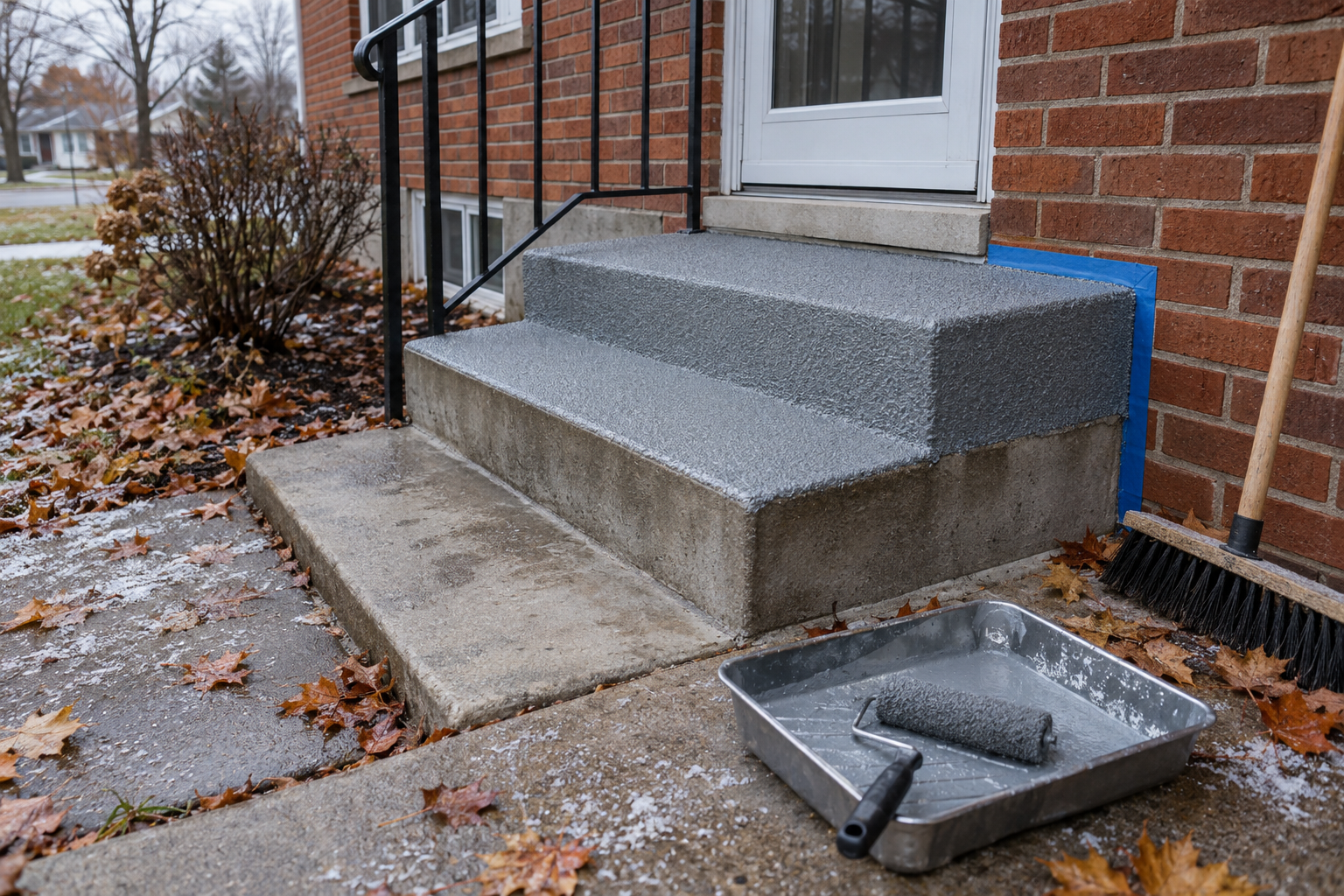
One wet step on slick tile is all it takes, and non-slip flooring treatment gives your feet something to grip. Dodd Home Safety comes to your home, watches how you move through each room, and treats the floors that worry you. In Kimberly, slush and road salt ride in on boots from November through March, so smooth floors get slippery fast. We work with the floors you already have, so you keep your look and gain grip. Give us a call at (920) 585-8780 and we’ll talk through where your floors feel risky.
Why Kimberly Floors Turn Slick From November Through March
Seasons change how a floor behaves. Winter tracks melting snow, slush and de-icing salt onto entryways, mudrooms and garage landings. Salt dries to a gritty film, then the next thaw makes it slick again. Freeze-thaw cycles along the Fox River keep the moisture coming all winter. Newer homes here often have polished tile that turns slick the moment it gets wet. Older bungalows and ranches have smooth concrete steps and worn tile of their own.
- Late fall: wet leaves and cold rain on steps and porches.
- Winter: melting snow, slush and salt at every door.
- Early spring: meltwater runs into garages and basements.
- Summer: humid air leaves basement floors and laundry rooms damp.
- All year: bathroom floors stay wet after every shower.
Many local floor companies focus on garage coatings built for vehicles. We treat the whole house, room by room, including the indoor tile, entries and stairs you use every day.
Grip underfoot is one piece of a safer house. For handholds, ramps and the rest, see the safety equipment we supply and install across Kimberly. It’s a good place to start if you aren’t sure which fix fits which room.
Bathroom and Shower Floors That Stay Wet
Bathroom floors are wet by design, and bare feet have no tread. We treat the tile you already have, matched to the surface after a test patch. Safety doesn’t have to look medical, so we pick finishes that sit quietly on the floor. Pair a treated floor with a grab bar set into solid wall blocking for something firm to hold.
- Tile floors beside the vanity and toilet.
- Tub and shower floors, where the surface allows.
- Textures chosen for bare feet, not boots.
- Spots where you step in and out of the tub.
- Door sills where wet floors meet dry ones.
If the whole bathroom needs a safety plan, our accessible bathroom safety upgrades cover raised toilets, transfer poles and doorway changes for Kimberly homes.
Basement Stairs, Laundry Rooms and Kitchens
Concrete basement floors sweat in summer and collect meltwater in spring. Painted steps turn slick under damp socks. We add grip to the steps and floors where you walk most, then treat laundry and kitchen floors where spills happen. Some floor finishes give off fumes while they cure[1]. We choose products with that in mind and keep fresh air moving. A treated tread works best beside a sturdy custom handrail.
- Basement stair treads and landings.
- Painted or bare concrete basement floors.
- Laundry room floors around the washer.
- Kitchen floors by the sink and stove.
- Stair edges given extra grip where feet leave the step.
Garage Landings, Porches and Outdoor Steps
Outdoor steps take the worst of the weather: frost, ice and salt. We treat concrete steps, porches, patio paths and the surfaces of ramps. A treated surface adds grip, but it doesn’t replace shoveling. When an entry needs more than grip, we also handle wheelchair ramp installation.
- Garage entry landings and the steps into the kitchen.
- Front and back concrete steps.
- Porches and patio paths.
- Ramp surfaces and their level landings.
- Door thresholds where snow melts and pools.
Floor grip is one fix among many for older Kimberly homes. For ramps, door changes and other adaptations, see our home modifications work around the Fox Cities.
What to Expect When We Treat Your Floors
A finish put down on a dirty or damp floor won’t hold. At Dodd Home Safety, every floor gets a plan before we start. Flooring installation standards call for a clean, dry surface before anything goes on[2].
- Walk-through: we check each room and how you step, turn and transfer.
- Test patch: we try the finish where it won’t show, so you can feel the grip.
- Prep: we clean and dry each surface and protect the areas around it.
- Treatment: our installation crew applies the finish room by room.
- Walk-back: we go over the finished floor with you and explain care and when it’s ready to use.

Why Neighbors Trust Dodd Home Safety With Their Floors
A grippy floor only helps if someone first watches how you actually move. Dodd Home Safety is run by co-founders Bill Dodd and Jaci Dodd, and each of us brings our own training to the job.
- Bill is a licensed Occupational Therapy Assistant and a Wisconsin Dwelling Contractor Qualifier.
- Bill has 13 years of experience and handles home safety evaluations plus the installation work.
- Jaci is a Physical Therapist Assistant. She does mobility, transfer and home safety evaluations.
- We look at how you move first, then choose the surface treatment for your specific home.
- We come to you in Kimberly, Appleton, Kaukauna, Little Chute and Combined Locks.
Frequently Asked Questions
Will a non-slip treatment change how my tile looks?
It can change the shine or feel a little. That’s why we try a small test patch first. You see it and feel it before we treat the whole floor.
Do I need a Village of Kimberly permit for this work?
Surface-level treatments that don’t change structure, plumbing or load-bearing walls generally don’t need a Village of Kimberly building permit. Structural renovations are different. If your project goes beyond the surface, the village is the place to confirm.
Can I get help paying for home safety changes in Outagamie County?
Outagamie County residents can explore support through the Outagamie County Aging and Disability Resource Center (ADRC), Wisconsin Family Care and IRIS waiver programs. Veterans can ask the Outagamie County Veterans Service Office (CVSO) about VA benefits. Each program has its own rules and decides what it covers.
Does my slick floor need replacing, or can it be treated?
Often the floor you have can be treated. It depends on the surface, how worn it is and how you move across it. The walk-through in your home settles what fits.
What types of floors and surfaces can be treated with an anti-slip finish?
We treat indoor tile, painted or bare concrete floors, basement stair treads and laundry and kitchen floors. We also treat outdoor concrete steps, porches, patio paths and ramp surfaces. A test patch helps us match the finish to each surface.
Who can make my dad’s main floor safer if his balance is getting worse?
Dodd Home Safety treats slippery floors in Kimberly, Appleton, Kaukauna, Little Chute and Combined Locks. Jaci, a Physical Therapist Assistant, does mobility, transfer and home safety evaluations. Bill, a licensed Occupational Therapy Assistant, handles home safety evaluations and the installation work. We watch how he moves through each room before choosing a treatment.
How soon can I walk on a floor after it’s treated?
Cure times depend on the finish and the surface. At the walk-back, we go over the finished floor with you and explain when it’s ready to use. We also explain how to care for it.
Ready to Get Started?
Dodd Home Safety — serving Kimberly, WI. Call us today.
References & Local Research
- [1] U.S. Environmental Protection Agency. (2023). Indoor air quality: Flooring materials. EPA Indoor Air Quality. https://www.epa.gov/indoor-air-quality-iaq/formaldehyde-sources-health-effects-and-epa-standards
- [2] Resilient Floor Covering Institute. (2022). Flooring installation standards and sustainability. RFCI Industry Standards. https://www.rfci.com/